
Bailey warns another energy shock could batter small firms
23 September 2026
·
Liz Barclay
Share:
Oil hits $100 as Britain’s inflation threat returns
Brent crude climbed above $100 a barrel the morning after Bank of England Governor Andrew Bailey warned MPs that energy prices could rise further next year. For small firms already squeezed by expensive borrowing, weak demand and uncapped commercial energy bills, another wave of inflation could become a survival crisis.
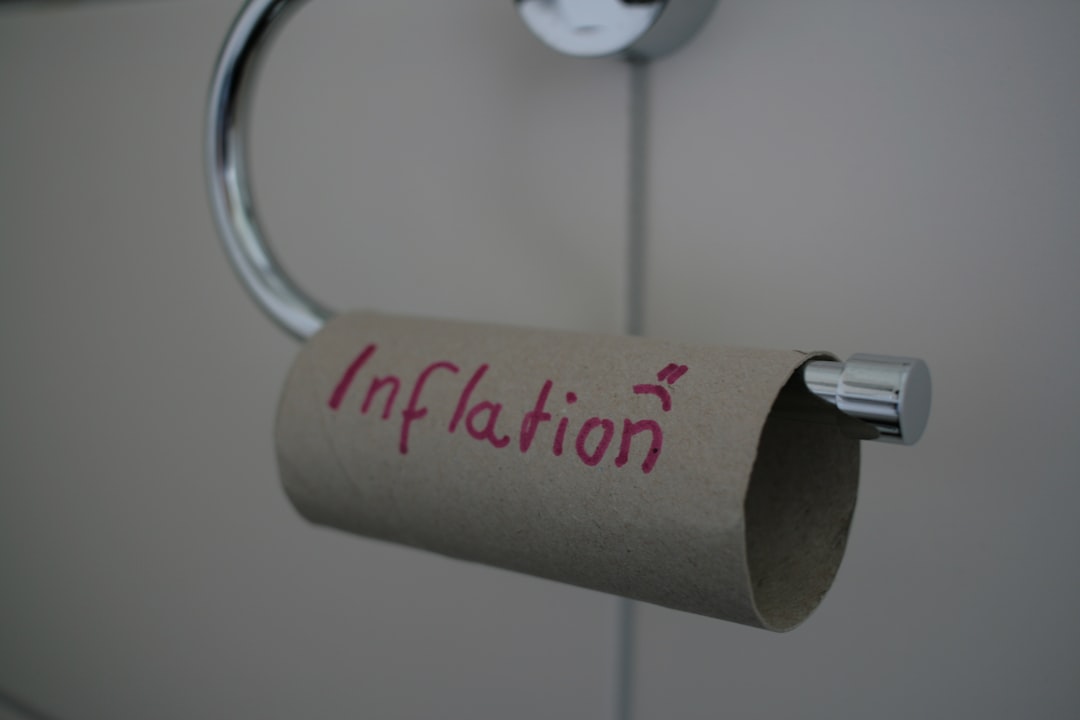 INFLATION BUILDING AGAIN
Energy prices “could be higher still” next year if the Iran war continues says the Governor of the Bank of England. Oil prices hit $100 dollars a barrel on the morning of the 9th of September, the day after his pronouncement.
Andrew Bailey didn’t sugar coat it when he told MPs this month that inflationary pressures are rising again, global energy markets are volatile, and the conflict in Iran could push prices even higher next year. He said that inflation risks are now “to the upside”, with oil and gas markets already reacting to geopolitical tensions. The war has triggered a surge in global oil prices, feeding inflation fears and creating turbulence across financial markets.
For small and micro businesses, this is a warning that:
Energy bills could rise again. Small firms have only just recovered from last year’s energy shock. Another spike would hit high street businesses, small manufacturers and workshops, hospitality and retail and care providers and local services again. These businesses can’t hedge energy prices and they feel increases immediately.
Inflation could stay higher for longer. Higher energy costs feed into everything else such as food prices, transport and logistics and supplier costs. For micro‑firms, this means tighter margins and harder pricing decisions because customers can’t take more price rises.
Customers will have less disposable income. If household bills rise again, there’s even less in the kitty to spend. That hits small businesses, especially those relying on footfall, appointments or local trade.
Borrowing costs may stay up. If inflation risks rise, interest rates are less likely to fall quickly. For small businesses already struggling with overdrafts, credit lines and cashflow gaps this prolongs the pressure and makes it more likely that payments they’re due are late because everyone in the chain is feeling the pressure.
Supply chains become more unpredictable. Energy volatility affects transport costs, import prices and stock availability. Small firms don’t have the buffers large companies do.
Food
It’s not just the Governor of the Bank of England who is worried. The Food and Drink Federation (FDF), which represents the UK’s food manufacturers, says food inflation could top six per cent next year because of the rising energy prices and wants the government to help the industry keep its costs down.
Fragile
Many small and micro businesses entered 2024–26 weakened by high energy bills, late payments, rising rents and higher borrowing costs all alongside lower consumer confidence and lower demand. Another inflation shock, driven by global conflict, risks tipping some over the edge. This warning is a reminder that the UK’s smallest firms remain exposed to global volatility they have absolutely no control over. The only things they can do is:
Review energy contracts early and explore fixed deals, group purchasing, or switching.
Strengthen cashflow buffers, if possible, by chasing late payments, shortening payment terms, and building reserves all of which are a big ask.
Lock in supplier prices. Negotiate fixed‑term agreements to avoid sudden cost spikes.
Reduce energy waste: any small operational changes to lighting, refrigeration, heating etc can help when the next price shock hits.
Scenario‑plan for Q1–Q2 2027. Try working out what happens if energy rises 10–20%. Better to plan now than panic later.
Hotting up
The message from the Bank of England is that inflationary pressure hasn’t gone away and energy prices could rise again next year. This is in line with what most business organisations have been predicting.
The UK’s smallest firms are already on their knees and need stability, not another shock. But with global conflict driving energy volatility, anything they can do to prepare now could help, because the next wave of inflation may already be building.
Share: