
If Ineos can't afford Britain's energy prices, how can a small business?
24 September 2026
·
Liz Barclay
Share:
If Ineos can't afford Britain's energy prices, how can a small business?
Three factories stop production as Britain's energy crisis hits industry
Three of Britain's major chemical plants are being mothballed because their owner says gas prices have made them globally uncompetitive. Sir Jim Ratcliffe says European gas now costs 12 times as much as in the US, forcing Ineos to halt production at its Hull plants and putting a supply chain supporting almost 4,000 jobs under pressure. If one of Britain's industrial giants can't absorb energy costs like these, what chance does a five-person manufacturer, bakery, workshop or high-street business have?
“RIDICULOUSLY HIGH” GAS PRICES
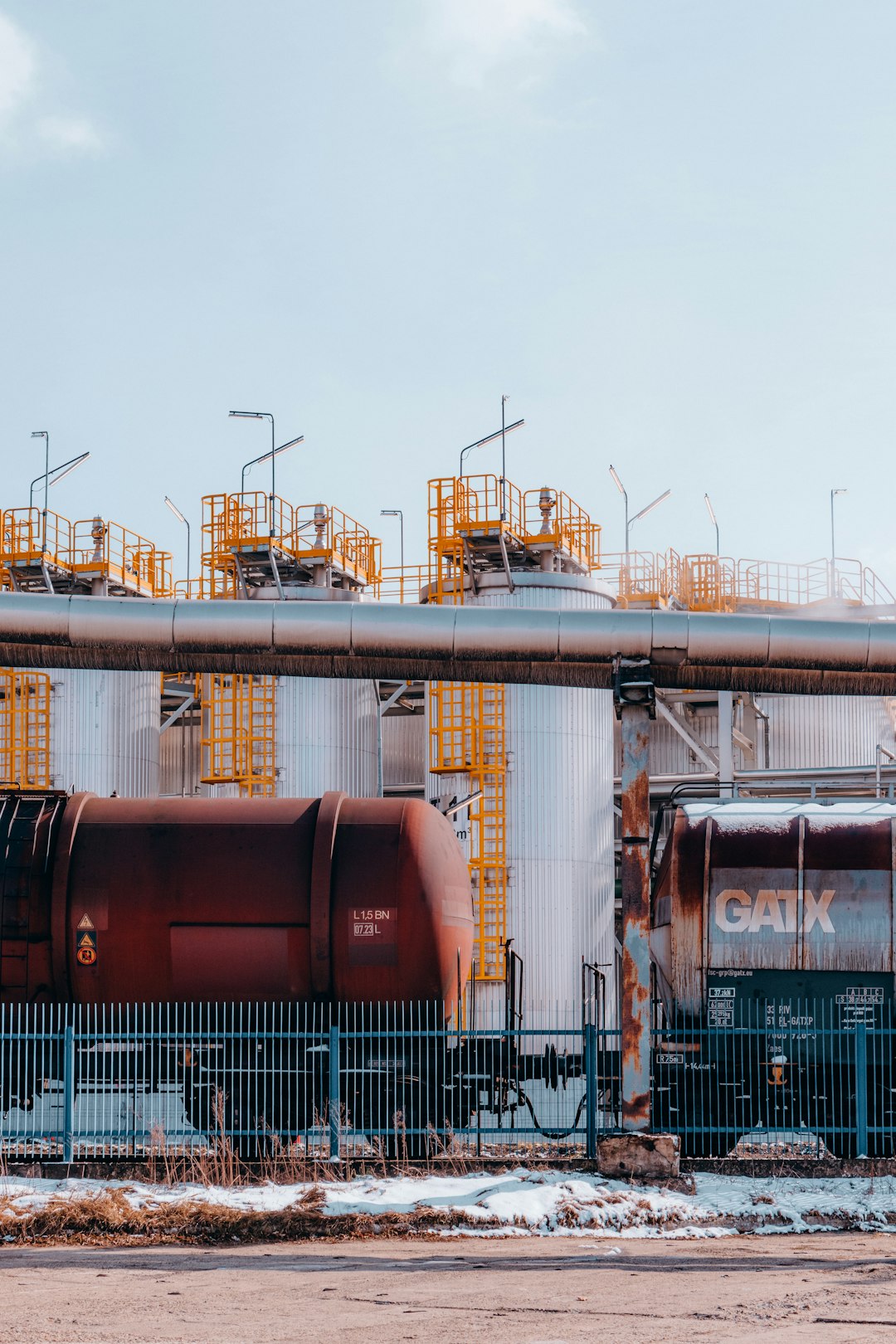 Sir Jim Ratcliffe has mothballed three Ineos chemical plants in Hull. He’s putting the blame squarely on the UK’s “ridiculously high” gas prices. When one of the country’s largest industrial players says it can no longer compete globally, small and micro businesses worry, because the same pressures hitting Ineos ripple straight down the supply chain. They have far thinner margins and no hedging power, and are already feeling the strain of rising costs, falling demand and policy decisions.
Gas and electricity prices in the UK are far higher than historic norms, and it’s not just Jim but other industry leaders who are warning that the country is becoming uncompetitive. Every manufacturer, retailer, tradesperson and micro‑enterprise that relies on chemicals, plastics, packaging, transport, or energy‑intensive inputs is concerned about the negative impact of energy prices on business and the economy.
Ineos is one of the UK’s biggest chemical producers. When it mothballs plants, it really must be feeling the pinch. If energy costs are too high to operate competitively, UK industrial production becomes unviable. If that really is the case the danger is suppliers will pass their own energy costs down the chain, supply chains will tighten, prices for downstream products will rise and imports will replace domestic production. For small businesses, this means higher costs, fewer suppliers, and more volatility.
Higher prices for chemicals, plastics and packaging
Ineos supplies materials used in plastics, solvents, adhesives, coatings, packaging, cleaning products and construction materials. By pausing domestic production small businesses face higher wholesale prices, longer lead times, more reliance on imports and currency‑driven price swings. Micro manufacturers, makers, food producers and trades will feel this immediately. For many small firms, energy prices are baked into every part of operations and energy is the second‑largest cost after wages.
More supply chain disruption
Mothballing the three plants reduces UK output. That means fewer local suppliers, more fragile supply chains, increased risk of shortages and greater dependence on overseas producers. Small businesses with just‑in‑time stock models are most exposed.
Rising energy costs for everyone
Ratcliffe’s complaint of “ridiculously high” gas prices is the same pressure hitting small firms. They often spend a greater proportion of their income on energy bills and are dealing with higher heating bills, electricity, production and transport costs and higher delivery charges. Energy‑intensive micro businesses (bakeries, cafés, workshops, salons, laundries, manufacturers) will struggle most.
Reduced competitiveness for UK‑made goods
If big industrial players cannot compete globally, small manufacturers are in an even tougher position. Higher input costs, lower margins, difficulty pricing competitively and pressure from cheaper imports all make them more vulnerable.
Pressure on local jobs and regional economies
Hull’s chemical plants support local suppliers, contractors, transport firms, maintenance businesses and micro‑enterprises serving workers. Mothballing reduces demand across the local economy. Small businesses near industrial hubs are likely to notice knock‑on effects.
More volatility in transport and logistics
Chemical production affects fuels, lubricants, additives and industrial materials. Any disruption increases costs for haulage, couriers, trades, construction and agriculture, Small businesses already struggling with diesel prices will feel a double hit.
Coping Mechanisms
Review your supply chain to see which products rely on chemicals or plastics, which suppliers source from UK plants, where you may face shortages, and where you need to look for alternative suppliers or materials. Diversification may have to be a priority.
Lock in prices where possible. If suppliers offer fixed‑term contracts, can you secure them now? Volatility will continue.
Build stock buffers for critical items if possible. For micro businesses, even small delays can halt operations.
Revisit pricing: if input costs rise, prices must follow. Small businesses can’t absorb industrial‑scale inflation.
Strengthen cashflow to prepare for higher bills and unpredictable demand
Engage with local business networks: industry bodies will push for energy price support, industrial strategy clarity, supply chain resilience measures, targeted relief for manufacturers. Small businesses need to add their voice.
Structural Challenge
When a major industrial player like Ineos says UK gas prices make production impossible, small and micro businesses have already begun to feel the pain through higher bills, rising supplier costs, shrinking margins and falling demand.
Energy volatility is now a structural challenge. Small businesses that can prepare, tightening cashflow, reducing consumption, adjusting pricing and strengthening supply chains, will be better placed to survive and grow.
The businesses that prepare now by diversifying suppliers, adjusting pricing, strengthening cashflow and monitoring energy costs, will be best placed to weather the disruption.
Share: